
Image Credit: pxhere.com
The adventure of trekking to Everest Base Camp is like none other, but it requires thought, particularly where your feet are concerned. 1 – Bad walking shoe. Many hikers don’t think to spend money on great, supportive trekking shoes/boots, only to find out that blisters, sore arches, or moist toes can taint an experience that needs to otherwise be a once-in-a-lifetime event.
This EBC trek shoe manual will take you through what you need to recognize on the subject of selecting and packing the right footwear for the EBC trek, and it’ll help you stay cozy, covered, and assured on the path.
Footwear in Everest Base Camp Trek: Your make-or-break Experience!
One way or another, you’ll be walking every day over a mixture of rocky paths, steep climbs, uneven ground, and, depending on the timing of your trek, snow, ice, and water crossings, between of 130 kilometers. You’re walking up to among 5 to eight hours a day for nearly two weeks — of cour, so your feet will undergo the brunt in the event that they’re not properly armed.
That’s why selecting the first-class footwear isn’t always just about consolation, but it’s also approximately protection, stamina, and making sure you can embark on the amazing adventure in advance without dreading each step.
The must-have types of footwear for your EBC journey
Oh, and as you prepare for Everest Base Camp, consider gear more as a footwear system rather than something you just put on your feet. Each of the pairs plays a role and is going to add to the general comfort and success of your hike.
Walking Boots – Your Leverage Kit!
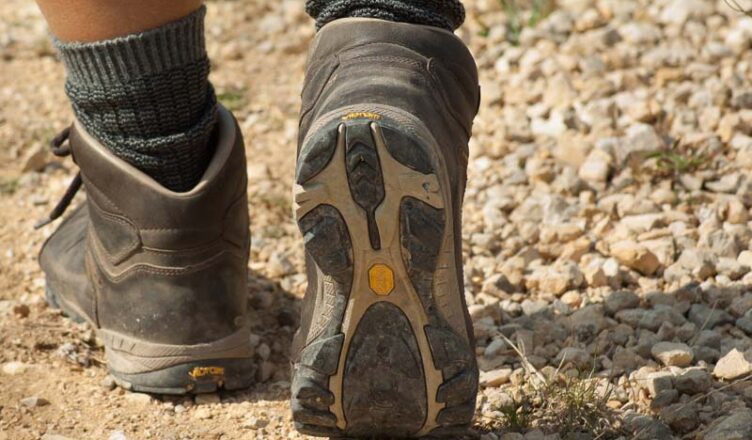
Your main trekking boots will be your best friend while out on the hike. This is the pair you won’t take off for days at a time; your simple, daily staple must be rugged, dependable, and comfortable.
Are seeking out boots with numerous ankle supports. Ungroomed trails around Namche Bazaar, Tengboche, and Gorakshep may be rough and moist. Ankle protection is ideal, which is likely to prevent twists and sprains.
Water resistance is also critical. You may ford a stream, trudge through mud, or get hit by an unexpected snowstorm. Dry feet are happy feet.
Traction is another key feature. Opt for a pair of boots with grippy, deep-lug soles. There are plenty of sections of gravel or loose stone on the trail where a tread pattern that bites hard into the ground is going to keep you from sliding.
Finally, the boots should feel broken, not brand new. And be sure to spend at least a few days hiking in them, well ahead of your trek, to flush out any hot spots or discomfort early.
Camp Shoes (optional) – I like to have an extra pair of lightweight shoes to slip into in camp and on rest days.
Your feet will just need some air and relaxation after a day-long trek. That’s where a set of lightweight camp shoes can be helpful. These are the shoes you wear in tea houses, at camp, or to go to the bathroom at night.
Opt for something light and packable. Options such as Crocs, foam sandals, or small trail shoes are good. And ideally, they should be a cinch to slip on and off, especially when you’re feeling beat and ready to kick back.
Extra points if they’re waterproof — you never know what condition the tea house bathrooms will be in or around.
You can also take Altrass for trail running or ‘just in case’ shoes.
Some trek veterans will wear trail running shoes for portions of the journey. These are less than trekking boots, porous, and often more comfortable on dry, good trails.
But they tend not to offer ankle support or weather-proofing. If you’re going to switch up boots and trail runners, however, be sure about the conditions backing that decision and be used to hiking long days in those shoes.
On the other hand, you could bring trail runners and a more supportive pair of shoes as a backup. If your primary boots fail, get wet, or start inflicting unceasing pain, it is wise to have a backup plan.
Socks: The Heroes of Foot Care That Never Get Their Due
Not exactly ‘footwear,’ but socks are a huge part of staying comfortable and ndblister-freee. Some great options are: Merino wool trekking socks or a synthetic blend such as these and these -these are great for wicking away moisture, preventing blisters, and helping to regulate your temperature.
Take along at least 4-5 good pairs of socks. Be sure to regularly turn them, leave them to dry overnight. Some trekkers bring liner socks to wear beneath thick socks, which provides an extra layer of blister protection.
Under any circumstances, get cotton socks out of here. They are moisture-trapping, dry slowly, and put you at greater risk for blisters and fungal infections.
Footwear Care During the Trek
You are going to wear your shoes on the EBC trek, so daily cleaning can save you from a high degree of stench. Sweep up the dirt and rocks every evening. If your boots suffer from some moisture, they can recover by letting them dry with a newspaper or a dry cloth inside them.
Allow your shoes to air dry as much as you can. Just 10 minutes in the sun during a lunch break can cut down moisture, as well as the bacteria.
Look for damage as well — tattered laces, dislodged soles, broken eyelets. Correct little problems now so they don’t turn into bigger ones later.
When and Where to Purchase Trekking Shoes
Kathmandu does have dozens of trekking gear stores with 86f68e4d402306ad3cd330d005134dac alternatives, but it’s better to buy your shoes at home, some weeks or months in advance of your departure. In that manner, you have some time to introduce them to, but also to ensure they’re at ease over an extended distance. When your feet are certainly extra swollen (that is how they’ll get after an afternoon of hiking), wear boots in the afternoon. While trying them on, put on your favored hiking socks to make sure they in shape efficaciously.
If you are looking to buy in Kathmandu, look for installed clothing stores selling authentic worldwide brands, no longer reasonably-priced knock-offs that won’t make it through an entire trek.
Last Minute Packing Advice for Shoes on EBC
Store shoes in a porous shoe bag or at the bottom of your duffel bag.
Be sure to maintain your boots for your room overnight so that they don’t freeze or get stolen (sure, it takes place).
A spare set of laces and a miniature tube of glue or patch kit for emergency maintenance.
Damp baggage. Running a car wash: Use moisture-absorbing packets to prevent odors and moisture while packed up in transit.
Summary: Select Shoes That Work With You
On the Everest Base Camp trek, your feet are everything. Every step underfoot carries you closer to the mother of all vistas on Earth — but only if you’re comfortable, stable, and safe.
1 Pair of good hiking boots like these – Make sure they fit well, and are suitable for the weather. Pair them with camp shoes and the optional backups, such as trail runners. High-quality socks and basic care. Solid suits, subtle shirts, and classically polished shoes aren’t the only things in a businessman’s wardrobe that matter.
What Shoes to Bring to Everest Base CCampPacking for the EBC trek is about much more than gear—it’s about showing respect for the journey ahead. You can now conquer the Himalayas, one step at a time, no matter what the support underfoot.