
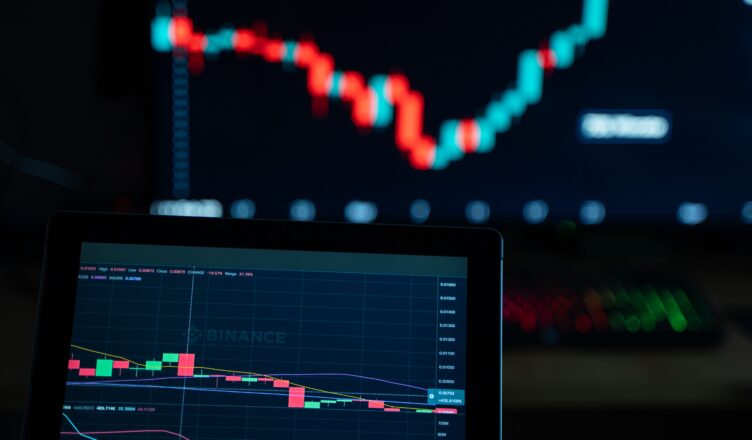
Successful trading rarely begins at the opening bell. It begins an hour earlier, at a desk, with a cup of tea and a clear plan. Most experienced participants check Today Sensex indications first, because the early trend gives a rough idea of how the day may unfold. Soon after, they glance at the pre-market gauge, and SGX Nifty Live readings help them judge whether the benchmark is likely to open higher, lower, or flat. Yet these numbers are only the starting point. What truly separates calm traders from anxious ones is a repeatable routine that turns scattered information into a clear set of actions. This article describes such a routine, built for Indian investors who want structure rather than guesswork.
Review Overnight Developments Calmly
Start by scanning the major overnight events. Check global equity trends, crude oil, the rupee against the dollar, and bond yields. The combination of these factors determines the foreign investor mood and often explains why Indian shares gap open. Avoid reading all news; pick upto two or three news sources and only record those headlines that may impact your stock. If a company you own announces results, regulatory approval, or a management change, then this news has more importance compared to the general mood of the market. Make short notes to jog your memory later rather than going through the news every day.
Map Key Levels For The Day
Pick the previous high, low, and close of the Nifty 50, apart from the weekly levels of support and resistance. These levels are roadside indicators; if the market opens near a resistance level after a strong overnight session, it might be better to wait rather than buying on the open. Likewise, if the market opens near the support level after a weak overnight session, it might be better to wait for a confirmation buy signal. Set targets and stop-loss for a trade that you plan to take in the future. Most decisions that we take in the market are better when contemplated beforehand, and this holds for intraday trading too.
Check The Calendar For Scheduled Events
Every day has scheduled news that can impact the market. Quarterly results, monthly sales, inflation data, industrial production data, and statements from the RBI are all important news that impact the market. Make a weekly note of important events and try to reduce your position or avoid new leveraged trades if an important event is due soon. Volatility is to be expected around such news, but a patient trader can always profit by waiting for the first few news to unravel.
Set Rules for Execution And Review
Make rules for yourself to limit your losses and capital at risk. Set a target for the day, the number of trades you will take, and the minimum loss for you to stop trading for the day. Spend ten minutes in the evening recapping what went well and what did not. What decisions were intuitive and what were impulsive? Keeping a trading journal builds discipline and you will learn to identify your patterns over time. It might reveal that you tend to overtrade when you lose money or that you always book profits too early.
A long-term investor has a much simpler routine. A quick scan of the market in the morning and a recap of the day’s events in the evening suffice. The rationale is simple: the long-term outlook of a stock is more important than its day-to-day fluctuations. However, this does not mean that investors who actively trade do not require discipline. The market will always provide new opportunities, but it is better to book profits and cut losses while protecting one’s capital.